Health and Safety Policy for Queens Park Removals
 Queens Park Removals is committed to maintaining the highest standards of health and safety across every stage of its moving services. This policy sets out the principles, responsibilities, and working practices that help protect employees, customers, contractors, and members of the public. Our aim is to create a working environment where risks are carefully assessed, safe behaviour is expected, and preventive action is taken before incidents can occur.
As a professional removals company, we recognise that moving goods, handling furniture, and operating vehicles all involve physical demands and possible hazards. For that reason, our health and safety approach is built around planning, supervision, communication, and continual improvement. We expect all staff to follow safe systems of work, use equipment properly, and remain alert to changing conditions on every job.
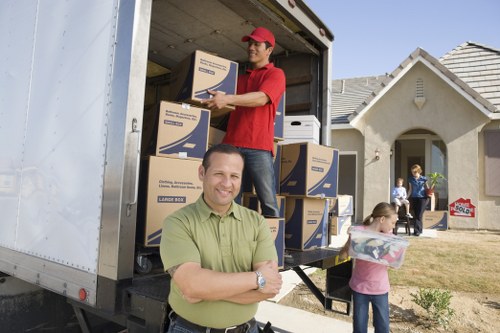 The success of Queens Park Removals health and safety policy depends on shared responsibility. Management provides the framework, training, and oversight needed to support safe operations, while employees are required to act responsibly, report concerns promptly, and cooperate with instructions. This balanced approach helps ensure that safety is not treated as an optional extra, but as an essential part of quality service.
Policy Objectives
Our policy aims to:
- prevent accidents, injuries, and property damage;
- identify hazards before work begins;
- provide safe manual handling and lifting practices;
- maintain vehicles and equipment in good working order;
- ensure staff receive appropriate information, instruction, and training;
- encourage prompt reporting of hazards, near misses, and incidents;
- review procedures regularly to improve performance.
These objectives apply to all moving activities, including packing, loading, transport, unloading, storage handling, and site access. Whether a job is straightforward or complex, the same level of care must be applied. The company expects every removal to be carried out with consideration for the safety of people and the protection of possessions.
We also recognise the importance of planning before work starts. A careful assessment of the premises, route, access points, and likely lifting requirements allows us to reduce avoidable risks. In practice, this means identifying stairs, narrow hallways, uneven ground, poor lighting, weather exposure, and any other factors that may affect safe working. Well-prepared removals are safer removals, and preparation is therefore a central part of our approach.
Responsibilities and Safe Working Practices
 Management is responsible for ensuring that adequate equipment, suitable vehicles, and effective procedures are available. Supervisors must monitor compliance, support workers in applying the policy, and stop work where unsafe conditions cannot be controlled. Employees must use care at all times, wear appropriate footwear and protective items where required, and avoid taking shortcuts that could cause harm.
Manual handling is one of the main risks in the removals industry. To reduce this risk, staff should use team lifting for heavy or awkward items, keep loads balanced, and avoid twisting while carrying. Trolleys, straps, protective covers, and other handling aids should be used whenever appropriate. Training is provided so that workers understand how to lift correctly and recognise when an item is too large, too fragile, or too dangerous to move without additional support.
Vehicle safety is equally important. All company vehicles must be driven legally, maintained routinely, and loaded securely to prevent shifting during transit. Drivers should plan journeys sensibly, check that loads do not exceed safe limits, and ensure that visibility is not compromised. Safe driving behaviour, including attention to speed, road conditions, and fatigue, is a key part of removals safety policy.
Risk Control, Reporting, and Training
Every working day begins with an awareness of potential hazards. Before lifting or moving items, staff should check the surrounding area for trip hazards, unstable surfaces, low ceilings, sharp edges, or exposed fittings. If a hazard cannot be removed immediately, the job should be adapted so that the risk is reduced as far as reasonably practicable. This may include changing the route, using extra staff, or delaying part of the work until conditions are safer.
Accidents, near misses, damaged equipment, and unsafe conditions must be reported without delay. Early reporting allows the company to respond quickly, investigate the cause, and prevent similar incidents from happening again. We treat reporting as a positive action, not a cause for blame, because openness helps improve the overall safety culture.
Training is an ongoing requirement. New staff receive induction covering manual handling, vehicle loading, risk awareness, emergency procedures, and the correct use of tools and protective equipment. Refresher training is given when working methods change or when assessments show that further instruction is needed. Continuous learning helps ensure that safety standards remain strong and consistent.
Emergency Preparedness and Review
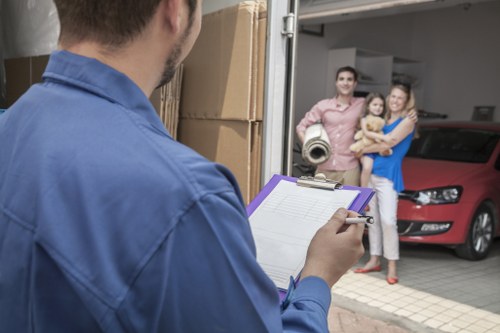 In the event of an emergency, staff must act calmly, follow instructions, and prioritise the protection of people above all else. This includes responding appropriately to fire, injury, vehicle breakdown, or serious property damage. First aid arrangements, evacuation procedures, and incident escalation processes should be understood by those involved in the operation. Emergency readiness is a practical safeguard that supports a swift and controlled response.
Housekeeping also plays an important role. Work areas should be kept tidy, packing materials removed promptly, and tools stored safely when not in use. Clear pathways reduce the likelihood of slips, trips, and falls, which are among the most common causes of injury in moving environments. Attention to detail during and after a job supports both safety and professionalism.
The health and safety policy for Queens Park Removals is reviewed regularly to make sure it remains effective, relevant, and aligned with current working practices. Reviews take account of incident records, staff feedback, equipment performance, and any changes in operational needs. Where improvements are identified, they are introduced promptly and communicated clearly so that everyone understands the updated expectations.
Commitment to a Safer Service
 Queens Park Removals believes that a strong safety culture benefits everyone. Customers gain confidence knowing that their belongings are handled carefully, employees work in a more controlled environment, and the business itself benefits from fewer disruptions and better operational standards. By following this removals company health and safety policy, we aim to deliver a service that is careful, dependable, and professionally managed.
This policy applies to all employees and anyone acting on behalf of the company. Everyone is expected to support safe practice, communicate concerns, and contribute to a workplace where risks are controlled and responsibilities are understood. Through planning, training, vigilance, and respect for procedure, Queens Park Removals seeks to uphold a standard of work that protects people, property, and peace of mind.